Divine Orchestration
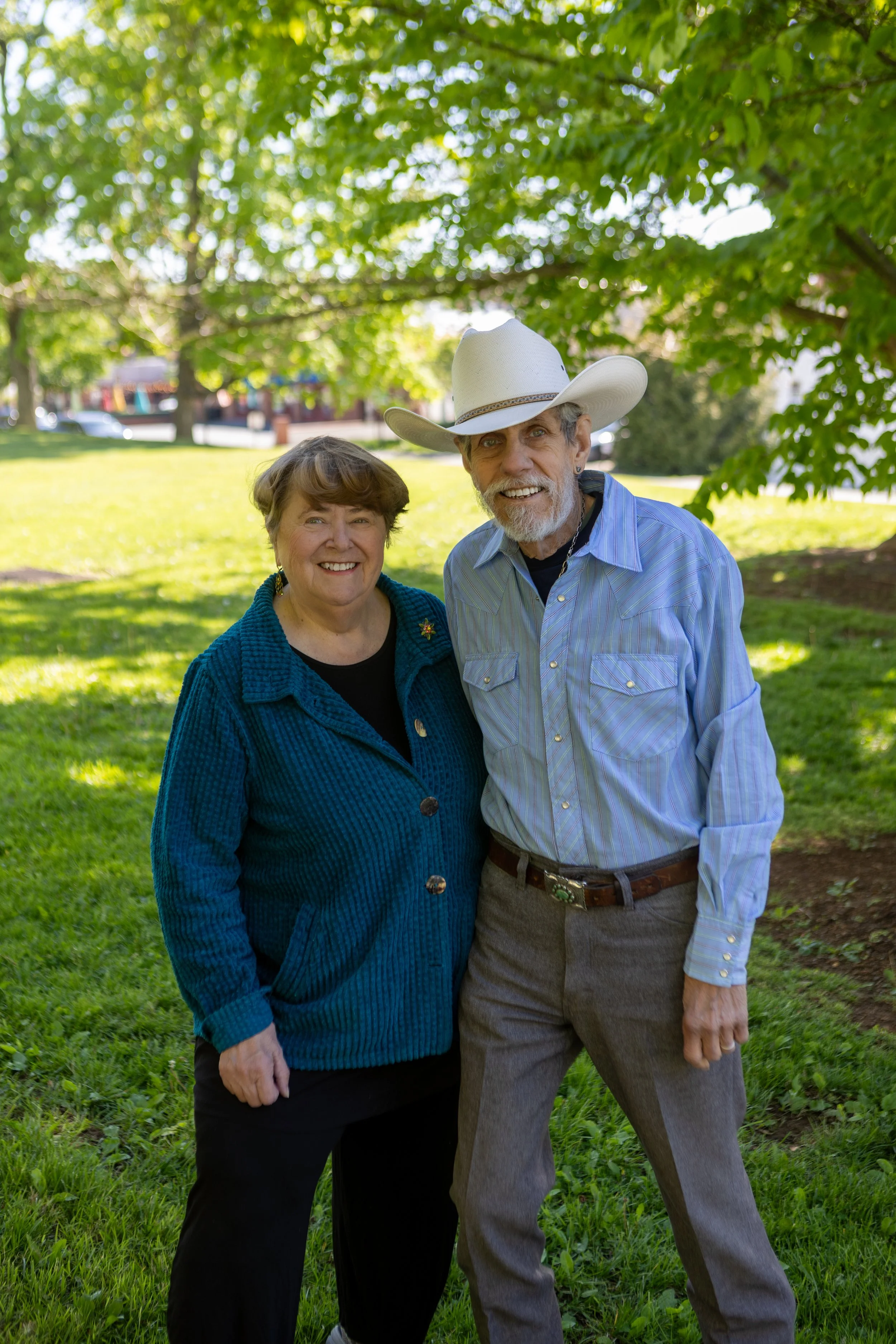
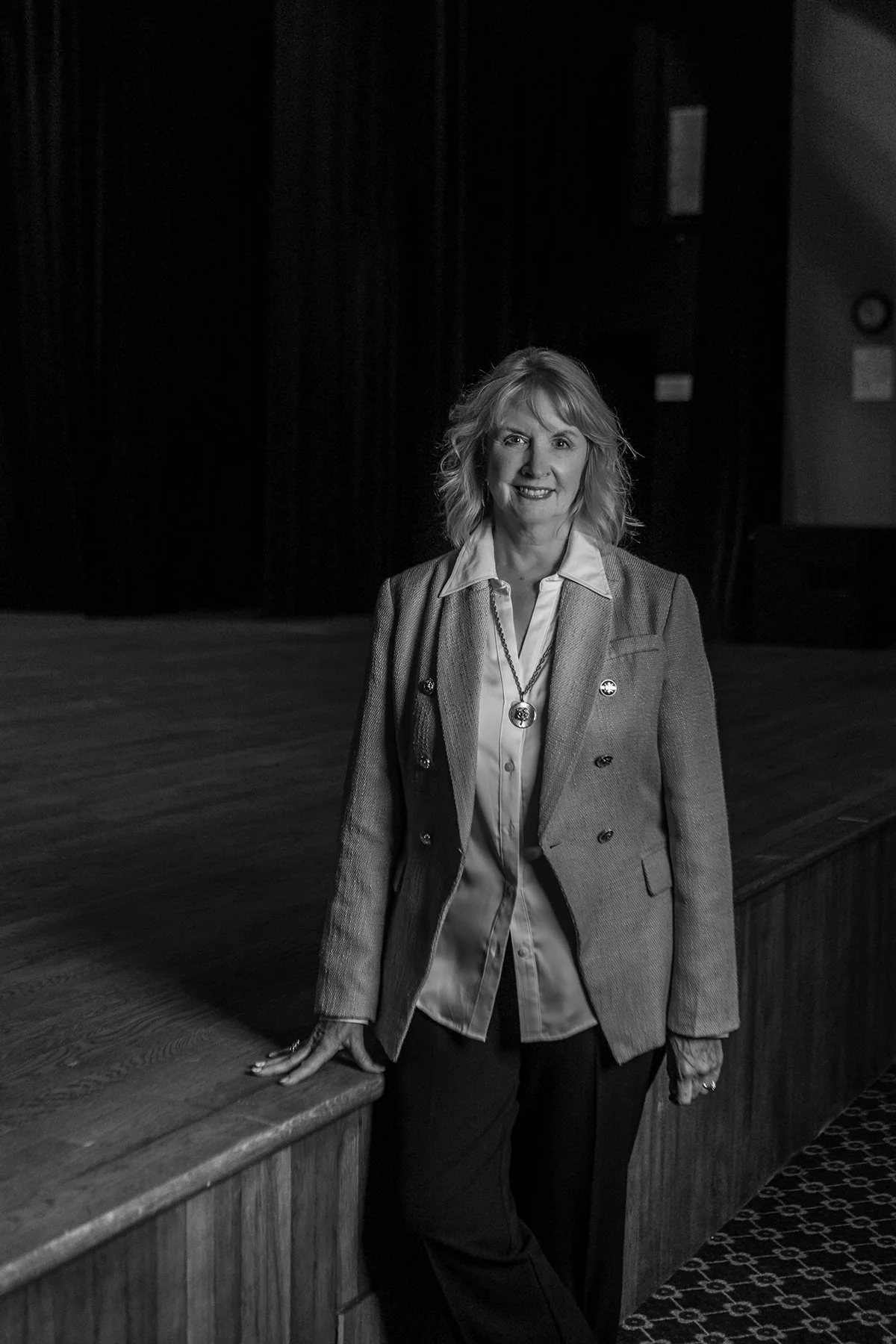
By Barbara Elliott Photos Courtesy of Bob Foster & Mary Leb | Portrait by Mary Baldwin
Bob Foster is a D.O., which most folks know means Doctor of Osteopathy. But he has another interpretation of those initials: Divine Orchestration. That is how he explains the unexpected twists and turns that brought him and his wife, Mary Leb, together in a place neither had heard of until fate landed them here. Since Mary’s arrival in 1976 and Bob’s in 1978, they have played a major role in the transformation of Lewisburg from a sleepy town with not much going on to a vibrant community that regularly garners national attention for its medical school and lively arts scene.
A Cinderella Story
Mary Leb grew up in south St. Louis, where she attended all-girls Catholic schools through grade 12. A Girl Scout trip to the French Quarter in New Orleans when she was 15 awakened her interest in the arts. “I performed in high school plays at a neighboring boys’ academy. I graduated from St. Louis University with a theater degree and did lots of theater at both universities I attended,” she says.
After college she headed to New York, where she was studying at the Neighborhood Playhouse School of Theatre when she got a call from a friend of a friend who had received a grant through the federal Comprehensive Employment and Training Act (CETA) to produce theater in West Virginia. She needed someone to play Cinderella in what Mary describes as an “off-the-wall" production. She knew nothing about Lewisburg except her friend said it was small and there wasn’t much to do. What the heck? The pay was $120 a week, and her friend said it would be good for her career. So after a dream summer hanging out with friends in New York’s West Village, she took four different airplanes to get to her new gig.
“We did Cinderella at the barn (the open-air performance space beside the airport that was used by Greenbrier Valley Theatre before they moved to town). We did two weekends by the airport, and at the WV State Fair beside a chainsaw demo,” she recalls. At the barn, they were doing Fiddler on the Roof as she sat and watched the fog roll in during the show. When a plane landed, the actors had to freeze, hold and wait until the engines shut down before resuming their dialogue. “On my first night in West Virginia, I thought, ‘what have I done?’”
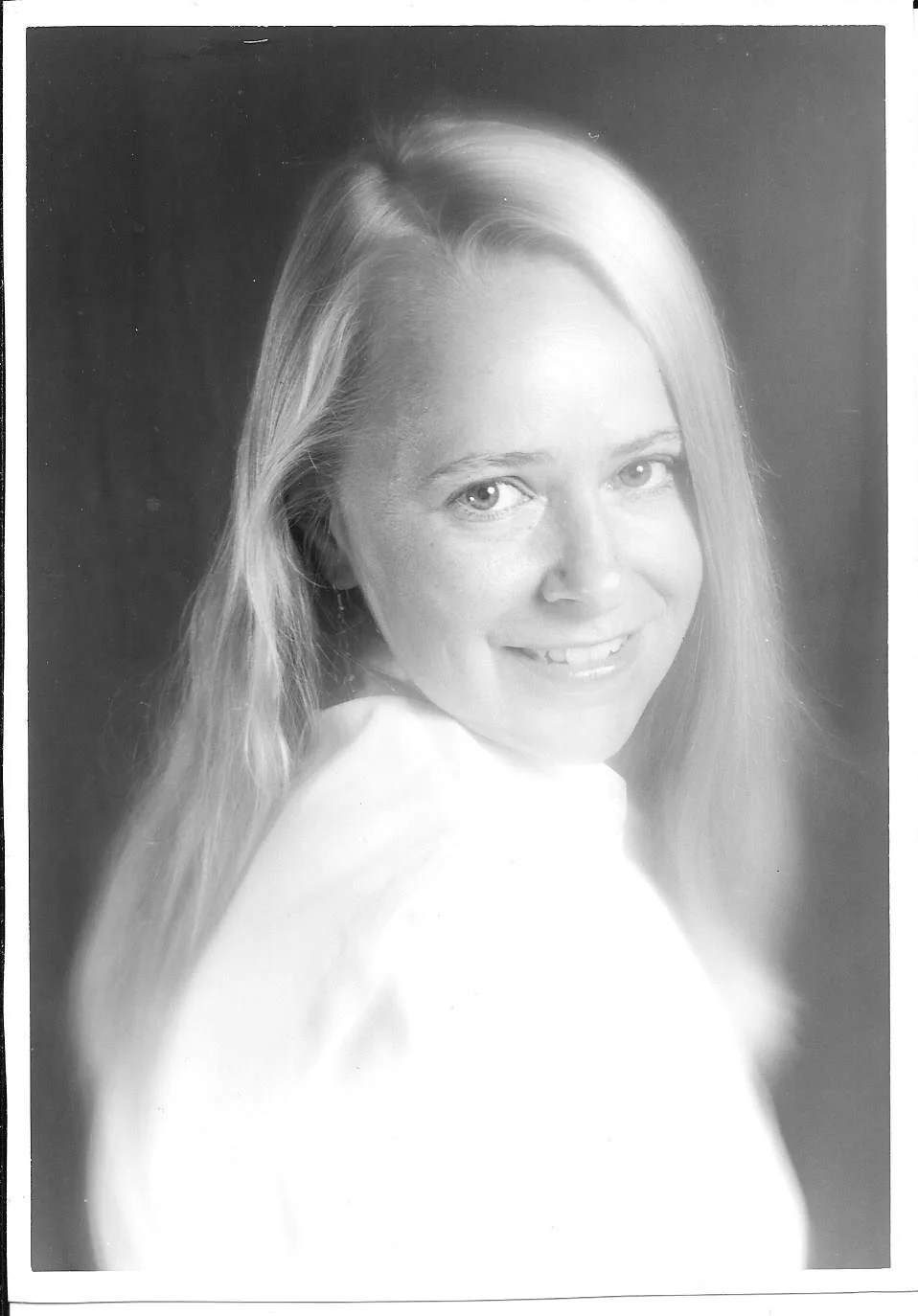
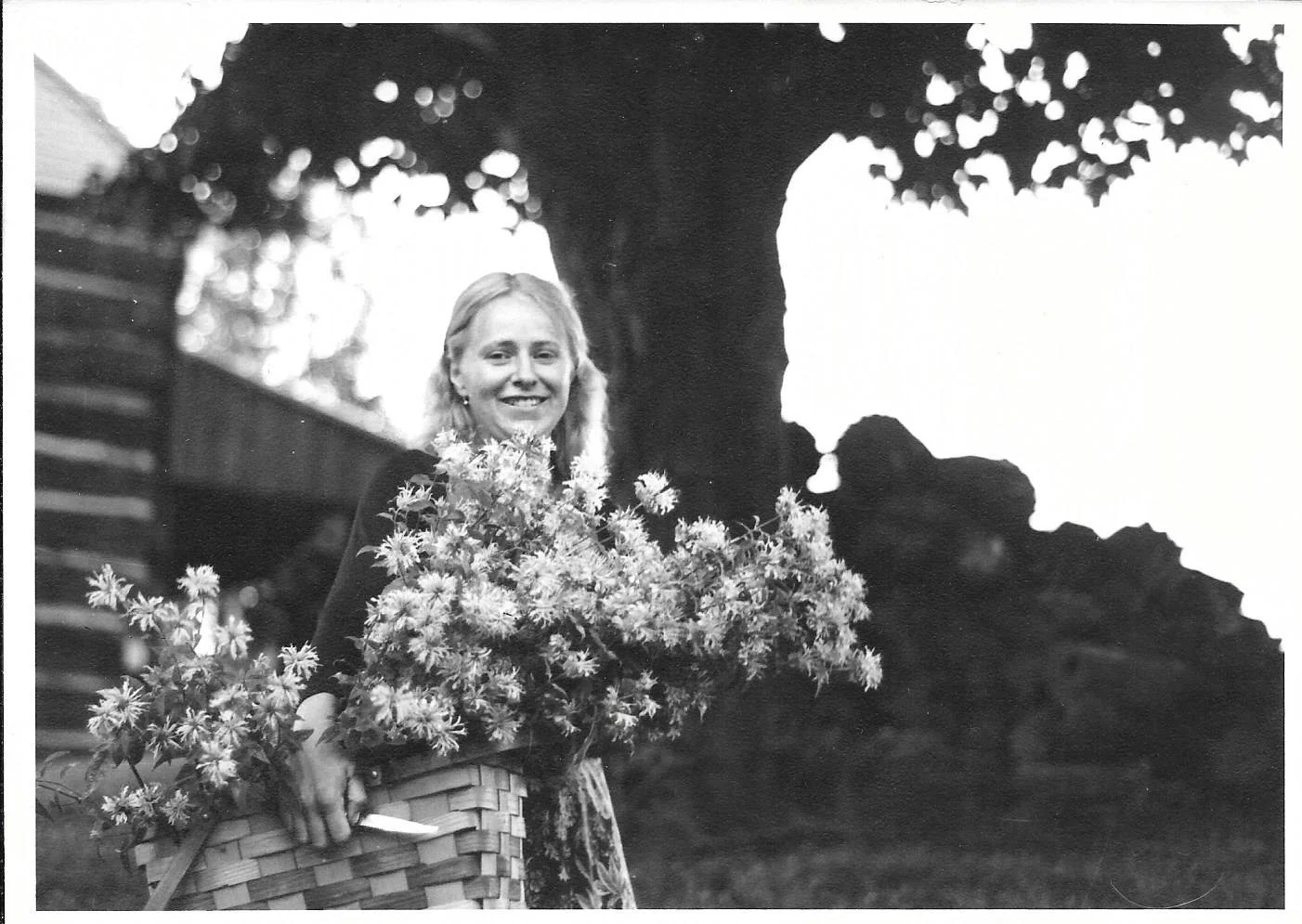
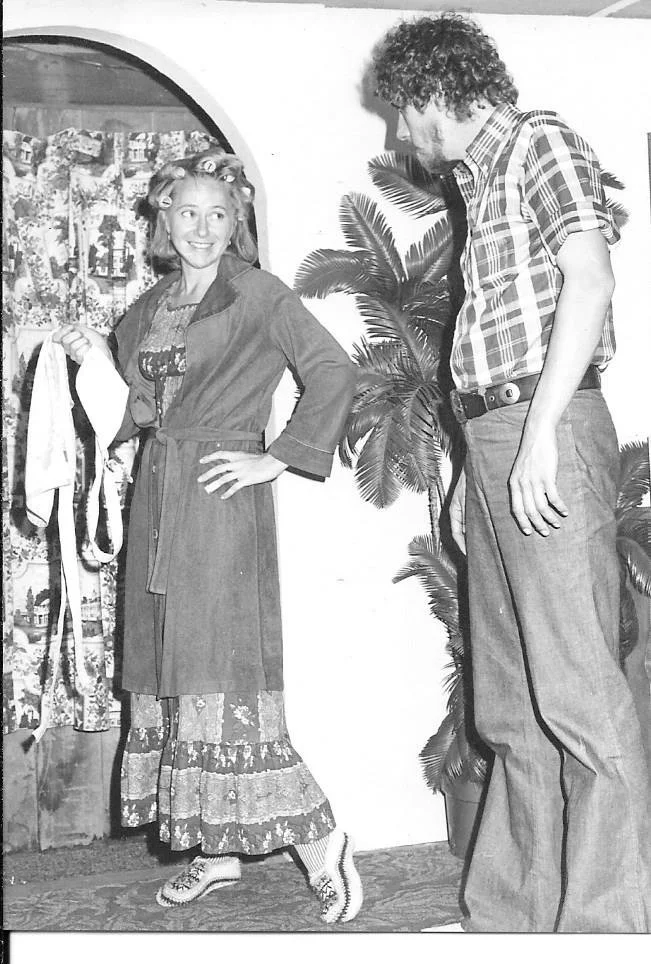
She was committed until Christmas and was promoted up the fairy tale ladder to play Little Red Riding Hood in school gymnasiums around WV and at the newly built Cultural Center in Charleston. She went back to New York after Christmas with the intention of furthering her training. “I was not looking for Broadway. My big goal was regional theater,” she explains. However, when she was asked to return to Lewisburg to perform in children’s theater again, she came back. She went on to perform in many GVT productions in addition to doing dinner theater in the basement of the old Fort Savannah Inn. When GVT was closed for a while, productions were also mounted at the former Brier Inn motel and in the old auditorium at the Osteopathic School.
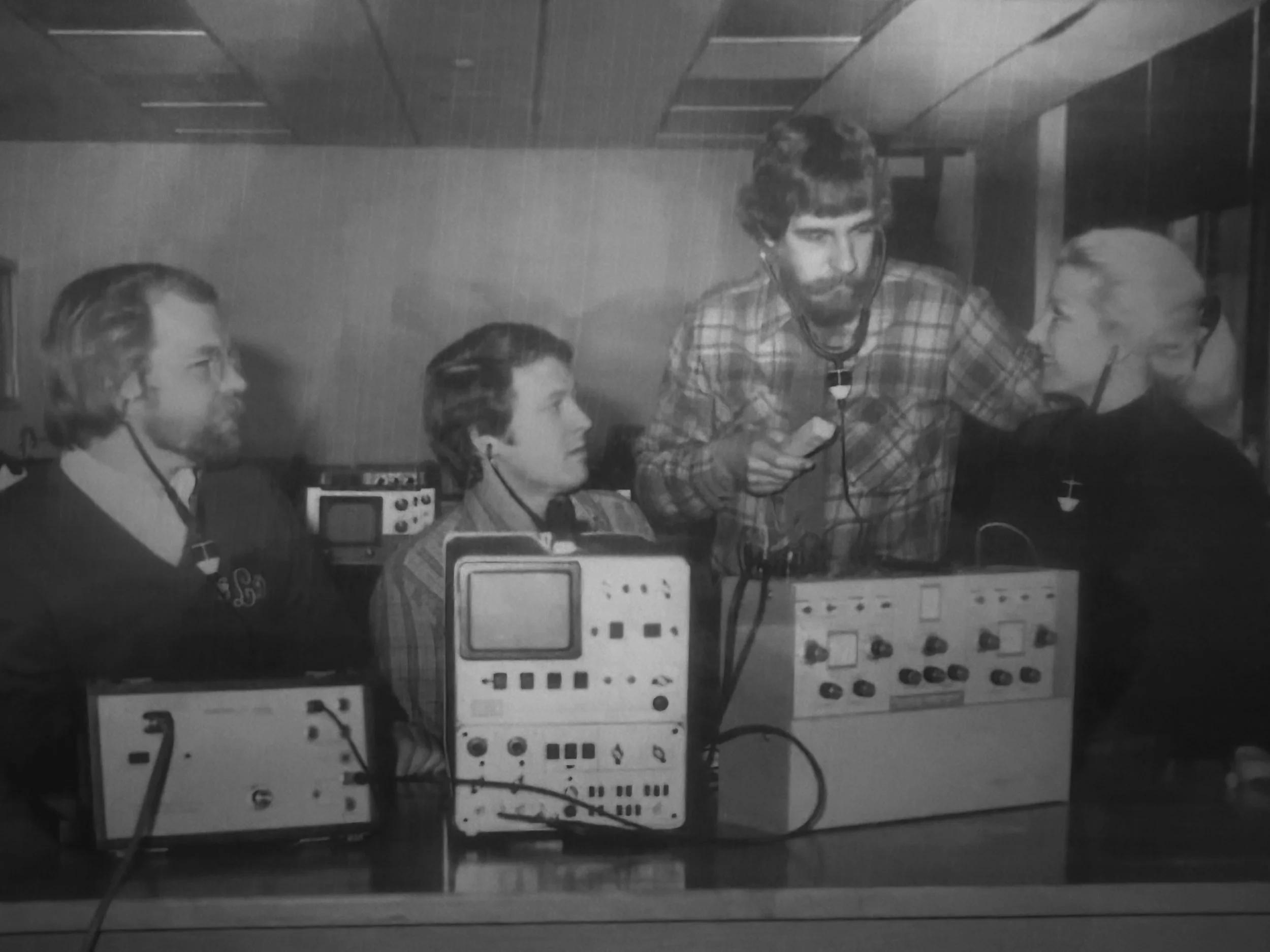
Her career took an unlikely turn when she heard that the osteopathic school was looking for a photographer. Gerry Allan Briggs, then head of Biomedical Communications at the school, agreed to train her, and she spent more than a decade at the school doing both medical and public relations photography. The experience opened her up to the world of artistic photography. “Black and white was my specialty. It was a new art form that I enjoyed,” she says.
She did not totally abandon theater during her detour into photography. She directed several plays for Carnegie Hall in the early years during Charlie Goddard’s tenure as executive director and was a resident director for GVT productions. Among them was a production of George Bernard Shaw’s Arms and the Man, the first-ever collaboration between Carnegie and Greenbrier Valley Theatre.
Somewhere in there, along came Bob – actually two of them! Both were cowboys from Arizona. The first she dated did not work out. Then she met her husband Bob and realized God sent her to WV to meet a cowboy named “Bob,” but she got distracted the first time around.
It Rains There
Bob Foster is a third generation Arizona native, a self-described desert rat who grew up in Tucson. He developed a passion for rural medicine when he was a student at the Kansas City School of Osteopathic Medicine. “I went back to Tucson after I graduated, but I wanted to get out because it was too big,” he says. “But I also didn’t want to be a ‘lone ranger’ practicing somewhere on my own. I looked at Arizona, New Mexico and Southern Utah. Then an Arizona friend, Dr. Paul Kleman, said a new school was being started to train rural physicians. He said it's east of Oklahoma—in West Virginia. It’s a green state, he said, a mountain state. It rains there. My medical practice partner from Tucson, Dr. Ted Rente and I came out to investigate. God set up four beautiful days in March 1978 with no rain. I said I’d stay and work in the clinic and try my hand at teaching.” Bob started out as family practice faculty and also practiced emergency medicine. “I had a western facing window. I put an Arizona flag out the window whenever it was cloudy and the sun would come out. That made me smile.”
From the start, the West Virginia School of Osteopathic Medicine not only trained physicians, but it also greatly increased access to medical care in southern West Virginia. “Obstetrics was a problem,” Bob recalls. There were only two midwives and people wanted options.” He helped set up an obstetrics program and a birthing room on the third floor of the old WVSOM clinic. “We charged a flat $450 for everything from prenatal to perinatal care. We delivered more than 100 babies.”
In the early days, the school provided medical coverage to little towns like Williamsburg and Hillsboro, as well as all the prisons in the southern part of the state including the state female maximum security prison in Pence Springs, the Anthony Correctional Center and the Federal Women’s prison in Alderson. “I once treated a woman who was in solitary confinement. I had to have someone with me who was armed. She had killed 21 men.”
At that time there were only three paramedics in the area, all volunteers. Bob helped start a program for paramedics at WVSOM. They turned out six groups of paramedic classes.
“Within three to four years, there were paramedics in every squad. It was a very big deal,” he recalls.
As if he didn’t have enough to do, he also was asked to serve as the county medical examiner. Even though he explained that he was not qualified, he embarked on the training and served in that capacity for 38 years, investigating unexplained deaths such as homicides and suicides.
“I had kept my house in Tucson for my first eleven years in WV. I finally realized I had found my home here and remain ever grateful.”
Carnegie Hall Calling
Mary remembers a back yard conversation from sometime in the early 80s where some arts-minded folks were imagining how great it would be if the abandoned Carnegie Hall building could be made into an arts center. Fast forward a couple of years, and a committed group of citizens had realized that dream. After 11 years at WVSOM, Mary was ready for a change and in 1990 was hired by then-Executive Director Vivian Conly to be the organization’s artistic director. Her responsibilities included researching and scheduling shows, art exhibits, developing school performances and writing grants to help pay for it all. She was hired because of her background in theater, which gave her an understanding of artists and production requirements.
Her first main stage booking was Taj Mahal. Other early shows included The Dillards and the original Seldom Scene. She notes that programming a performance season is a delicate balancing act. She must consider factors such as cost, variety and what the community will accept. She regularly travels to national performing arts conferences and showcases where she previews potential acts.
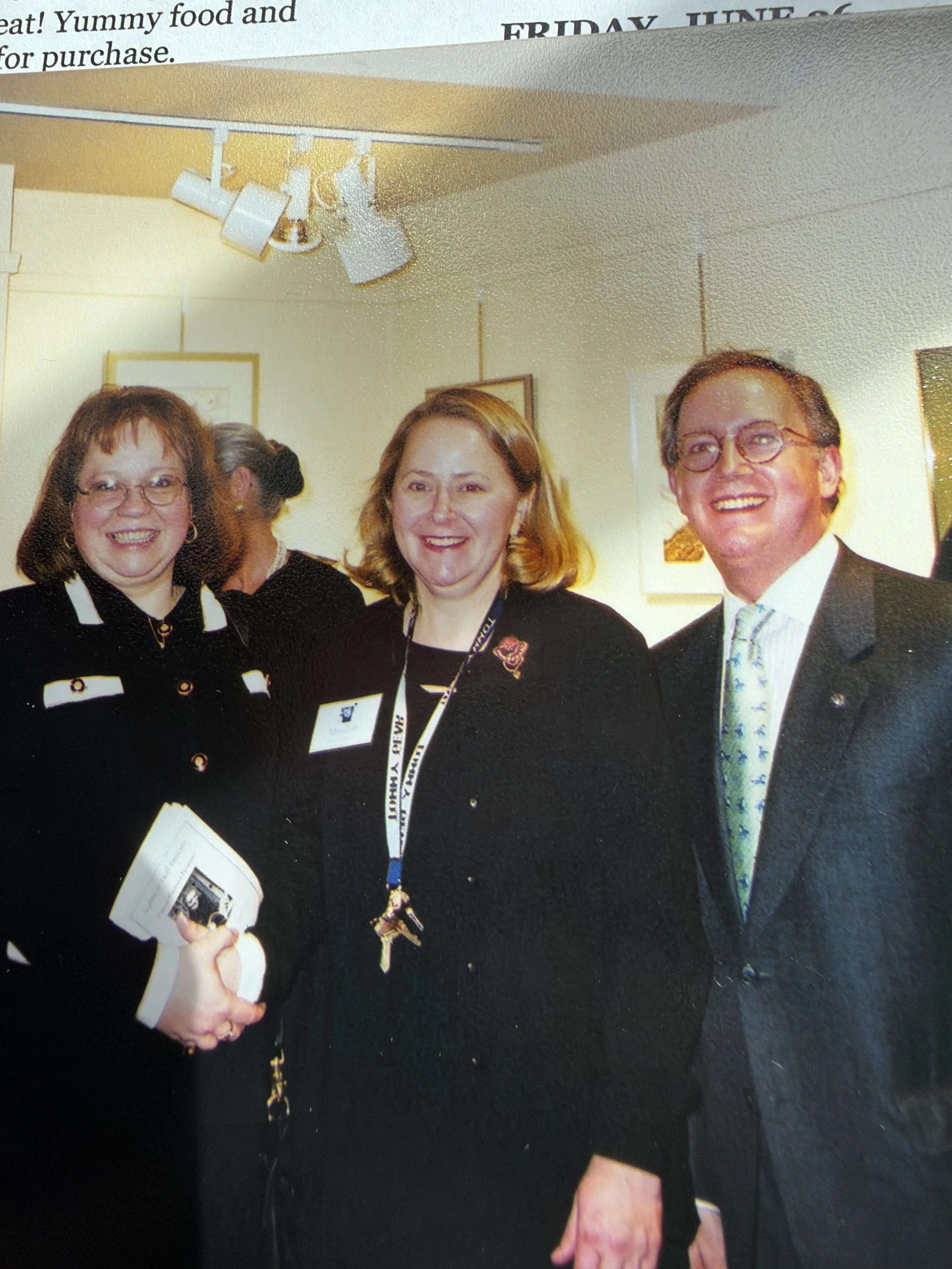
Carnegie Hall’s profile really began to rise after Wynton Marsalis appeared in 1991 and Isaac Stern in 1992. “Those shows really put us on the map and helped us book other well-known acts. We were more visible in the state, and acts were more willing to perform here,” Mary says. Since then, Carnegie Hall has hosted a remarkable variety of performers ranging from titans like Doc Watson, Arlo Guthrie, Judy Collins, Chris Theile, Ladysmith Black Mambazo, Del McCoury, Tony Rice, Bela Fleck, Sweet Honey in the Rock and Ralph Stanley to up-and-coming artists like Gillian Welch and Josh Ritter.
“The Tibetan Monks were a highlight for me,” Mary comments. “This job has opened my world not just to music I like, but to performing arts as a whole. I feel it is a gift to me to be honored to do it. It has enriched not only my life, but my children’s lives, because they grew up with it. I walk around the building and look at all the posters of past performers, and I remember things that happened at that time, at those stages of my children’s lives.” Mary also enjoyed a sixteen-year tenure as the program consultant for the newly built Chuck Mathena Center, a 934-seat performing arts venue in Princeton, WV.
A Legendary Career
Bob Foster spent 45 years at The West Virginia School of Osteopathic Medicine, never losing sight of his passion for training rural practitioners. By the time he retired in 2023 he had become a legend not only at the school, but in the national osteopathic arena. He was known not only for his dedication to the profession, but also for his signature cowboy hat. He accrued countless honors during his career, including being named West Virginia Provider of the Year by the West Virginia Rural Heath Association in 2019 and West Virginia Practitioner of the Year by the West Virginia Society of Osteopathic Medicine in 1994. He was regularly honored by students for his teaching skills.
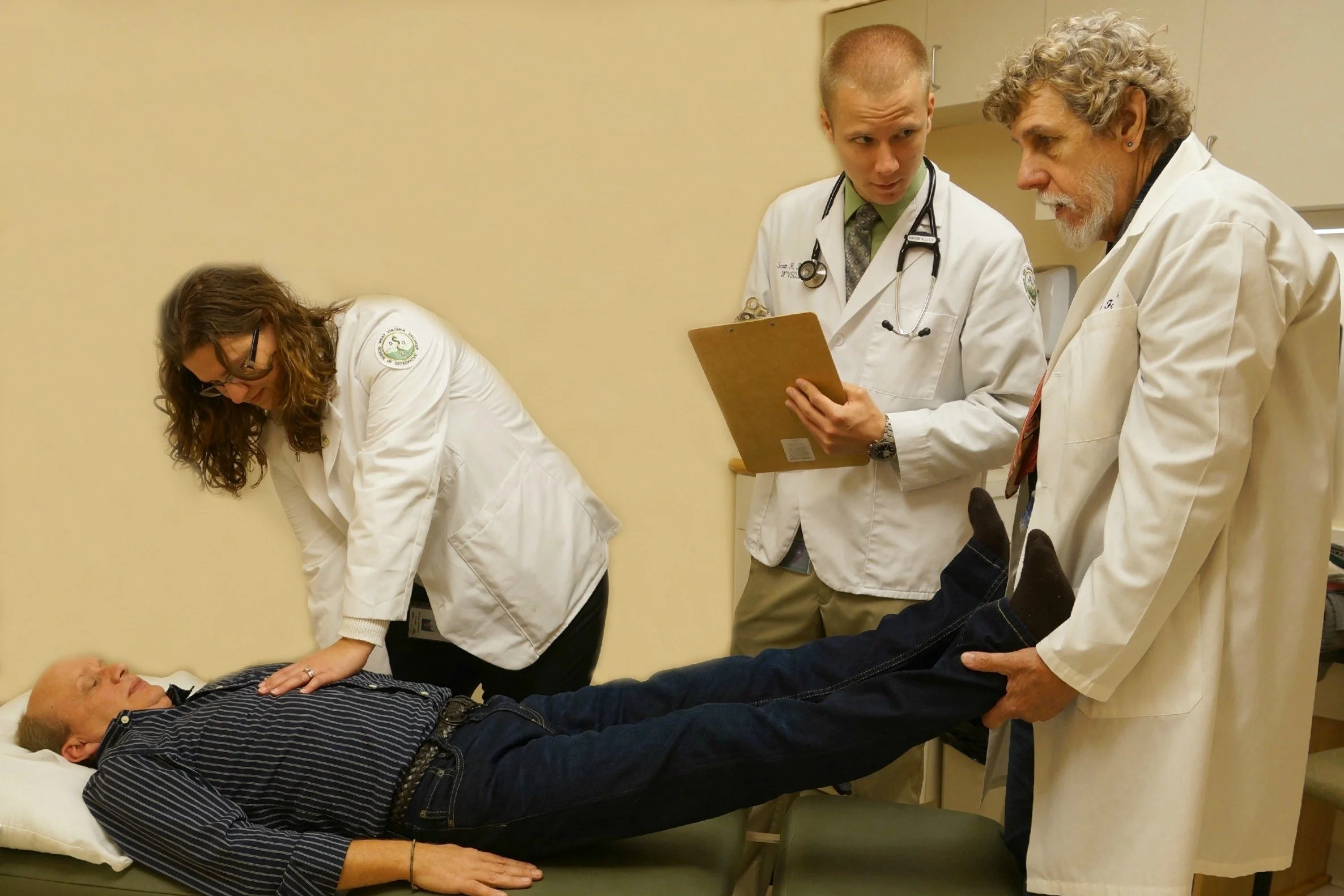
He says the secret to getting students interested in rural practice is to have them train in rural hospitals and clinics. “That’s what happened to me,” he remarks. “I went to Stella, Missouri, with a classmate and best friend, Dr. Bill Lemley where there were 197 people. The hospital served 10 small towns with the largest having a population of a bit over 600. I was there three months. We did surgeries and delivered babies. We saw that people really appreciated what we did. You become part of the community. If you train there, you find out how rewarding it is.”
He says that today WVSOM students train at nearly every hospital in the state, but the best training is in the small towns. Students also spend their first two years in Lewisburg, getting experience in a rural setting. For many years, WVSOM has ranked number one in the country for rural placement and among the top schools for training primary care doctors.
Bob believes that another factor in that success is the way students are selected. The school receives approximately 5,500 applications each year and accepts 216. Before the class size increased in the early 2000s, the average age of selected students was 29. Today it is about 27.5. There is a preference for non-traditional students who have life experience, ones that have perhaps overcome personal hurdles and have developed deep compassion for others.
“We look for prospective students who are community minded and actively involved. Students share they felt welcomed here. Many had applied to other places but felt this was the best fit for them.”
Over his long career at WVSOM, Bob helped initiate new programs that broadened the concept of how physicians can address medical conditions. “Most patients say the medical system is broken. WVSOM is on the leading edge in finding new approaches to recovery,” he says. They are making cutting edge curriculum changes that consider lifestyle change, nutrition and exercise as components of medicine. “This approach is more personal and specifically addresses their journey toward healing and health. Dr. A.T. Still, founder of Osteopathic Medicine, believed finding health should be the job of the physician. Anyone can find disease.”
Other Duties . . .
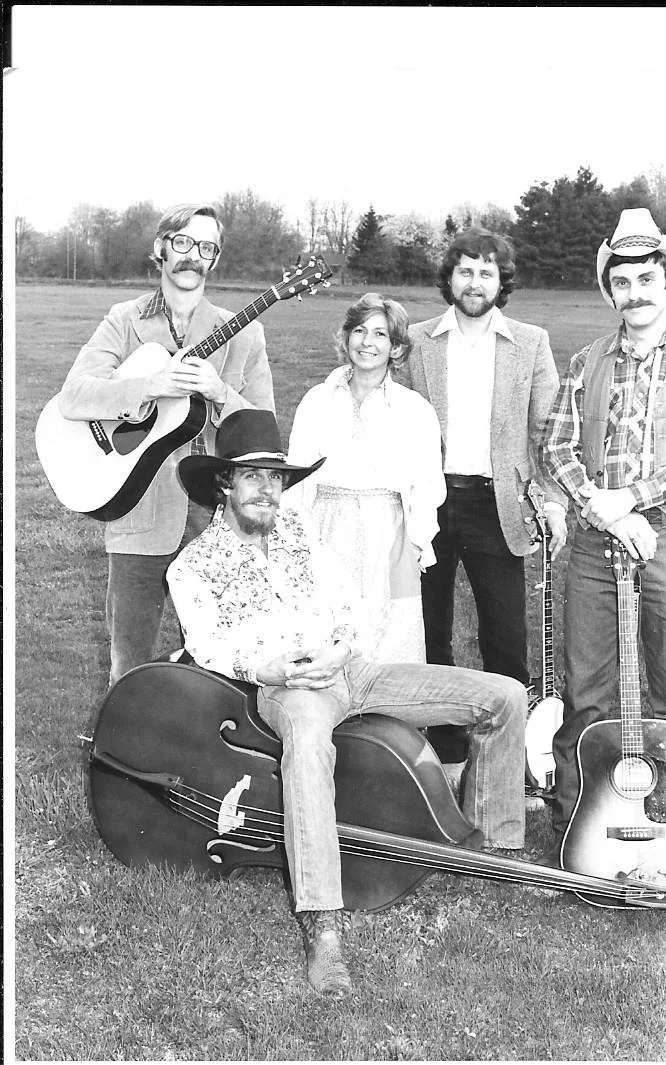
There were times when Mary and Bob’s worlds overlapped. For example, when Mary was seeking a band to play at Carnegie’s very first outdoor Ivy Terrace Concert in 1990, she turned to The Ramp Supper Band, a decidedly quirky bluegrass ensemble made up of Bob and fellow WVSOM faculty members David Crandall and Bill Lemley, plus Crandall’s wife Henrietta and a rotating cast of banjo players, including WV native and state banjo champion Richard Hefner. They agreed to do the Ivy Terrace concert in exchange for tickets to Carnegie Hall events.
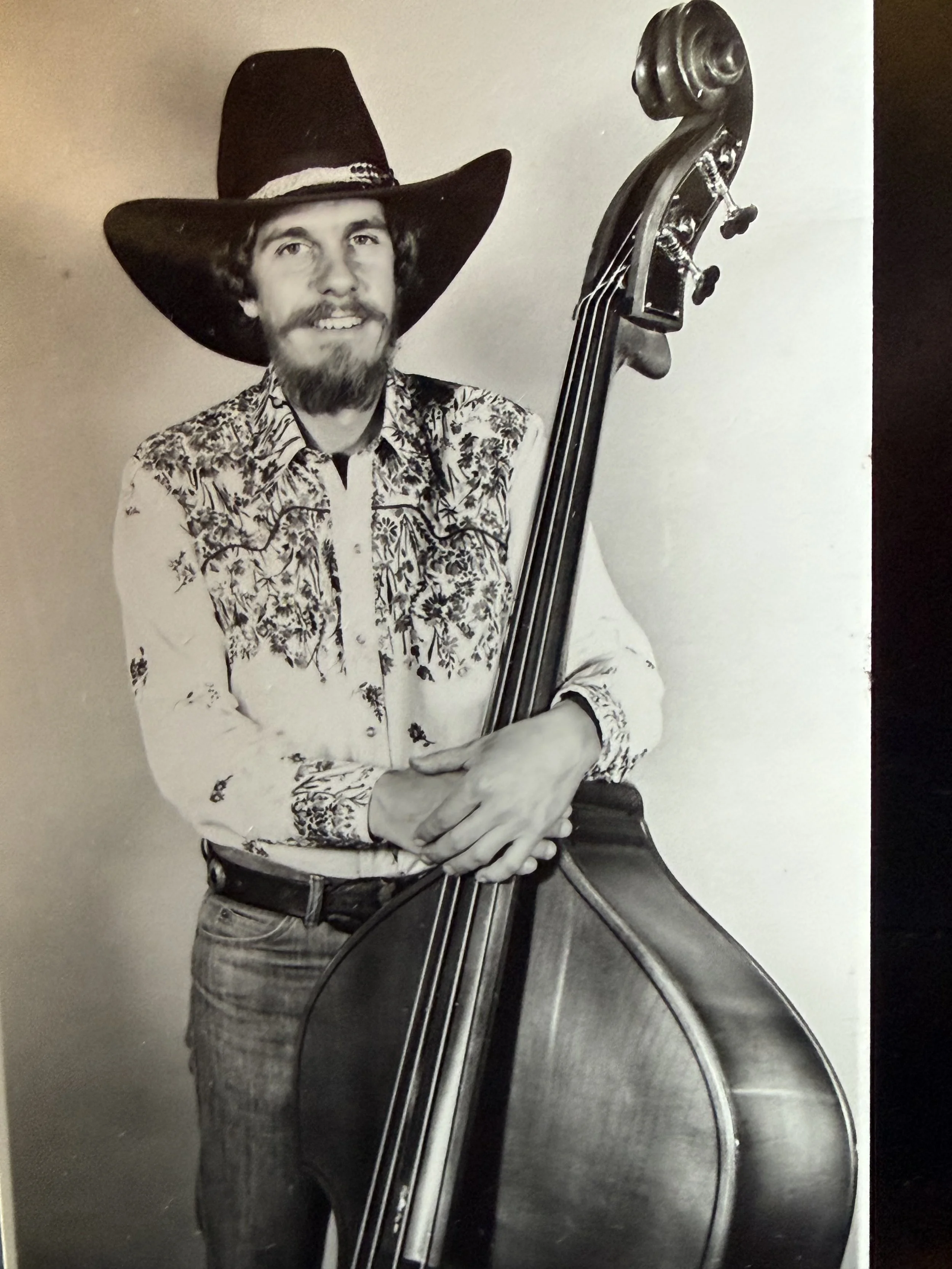
The Ramp Supper Band started playing informally for TGIF gatherings at WVSOM but gradually went on the road to perform in state parks in the summer months and at a variety of festivals and special events. “We came from folk, rock and jug band music backgrounds, but we added a bluegrass style to whatever music we were playing. We called it Bermuda Grass,” Bob jokes. “I sang bass and lead vocals and played stand-up bass.”
Bob also was called upon on occasion to be osteopath to the stars, treating Carnegie Hall performers’ ailments ranging from stomach flu to Bell’s Palsy, and dance injuries, etc. to ensure the show could go on. He also came to the rescue during a performance at Eastern Greenbrier Middle School, where the shows were held during the renovation of the Hall. Robin and Linda Williams were on stage when the power went out. Emergency lights came on. Bob ran home and got his stand-up bass, and they did the rest of the show unplugged. It was a great night.
Somehow despite being immersed in their incredibly demanding careers, Bob and Mary have generously served the community in other ways. Bob was the first man to serve on the board of the Family Refuge Center (FRC), the domestic violence agency serving the region. He also served on the Child Sexual Abuse Task Force, Greenbrier Valley Health Alliance, and the state board of Children’s Home Society of WV and community advisory board.
Mary also served many years on the FRC board and on the boards of Greenbrier Valley Theatre, the New Greenbrier Pre-School and the Children’s Home Society on both the local and state level. She has directed the outdoor drama Riders of the Flood twice, and in 2023, she along with Dan Withrow and other volunteers revived the Skyline Bluegrass Festival in Ronceverte, rebranded as the New Skyline Bluegrass Festival on the River.
Somewhere in the early years she also was voted in as Lewisburg’s first female volunteer firefighter. Accepting a dare from male local members, she embarked on a rigorous training and won their approval. Her tenure was short, but she did go to one brush fire and had the exhilarating experience of riding on the back of a firetruck and climbing to the roof of Carnegie Hall on a ladder in the dark, wearing a heavy firefighter’s coat, cumbersome rubber boots and heavy helmet. This was not an experience she ever shared with her father.
Family Forward
In the midst of their many pursuits, Bob and Mary’s lives have always revolved around family. Their daughter Nikalee was born in 1991. They adopted daughter Emma from Guangxi, China in 1997. Now their family has grown to include Nikalee’s husband, Pastor Jonathan Turner, and their four children. Family will be even more integral to their lives going forward, as Nikalee and family are in the process of moving to the Foster/Leb “homestead” in Ronceverte, where they will launch an adventure as a multi-generational household.
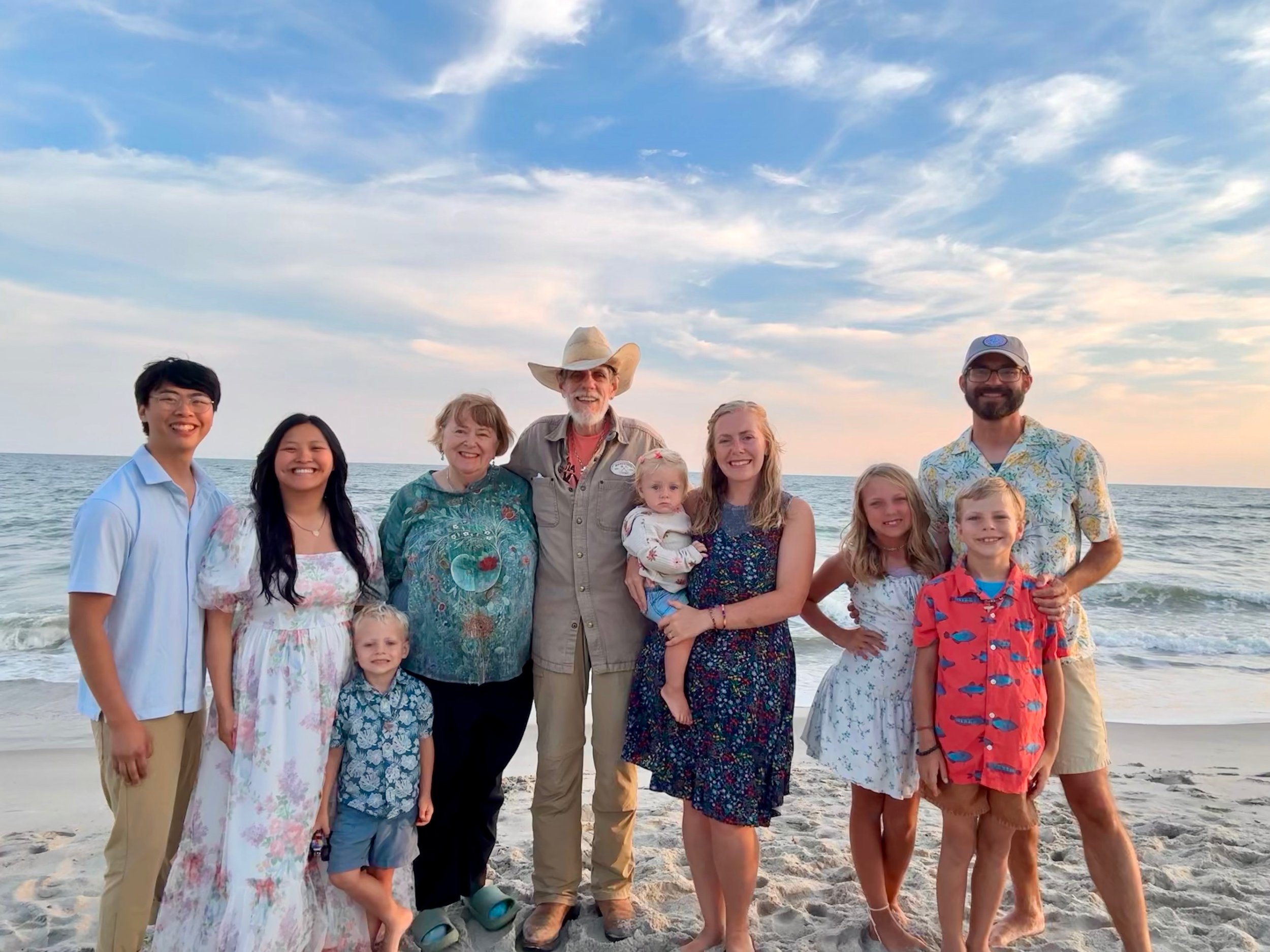
Now that he has finally retired, Bob can devote full-time to the new enterprise. Mary is still working and shows no signs of stopping. Asked what performer she would most like to bring to Carnegie Hall, she answers without hesitation: Paul Simon. “If I could book him, I would have to close up my calendar and drive off into the sunset.”